
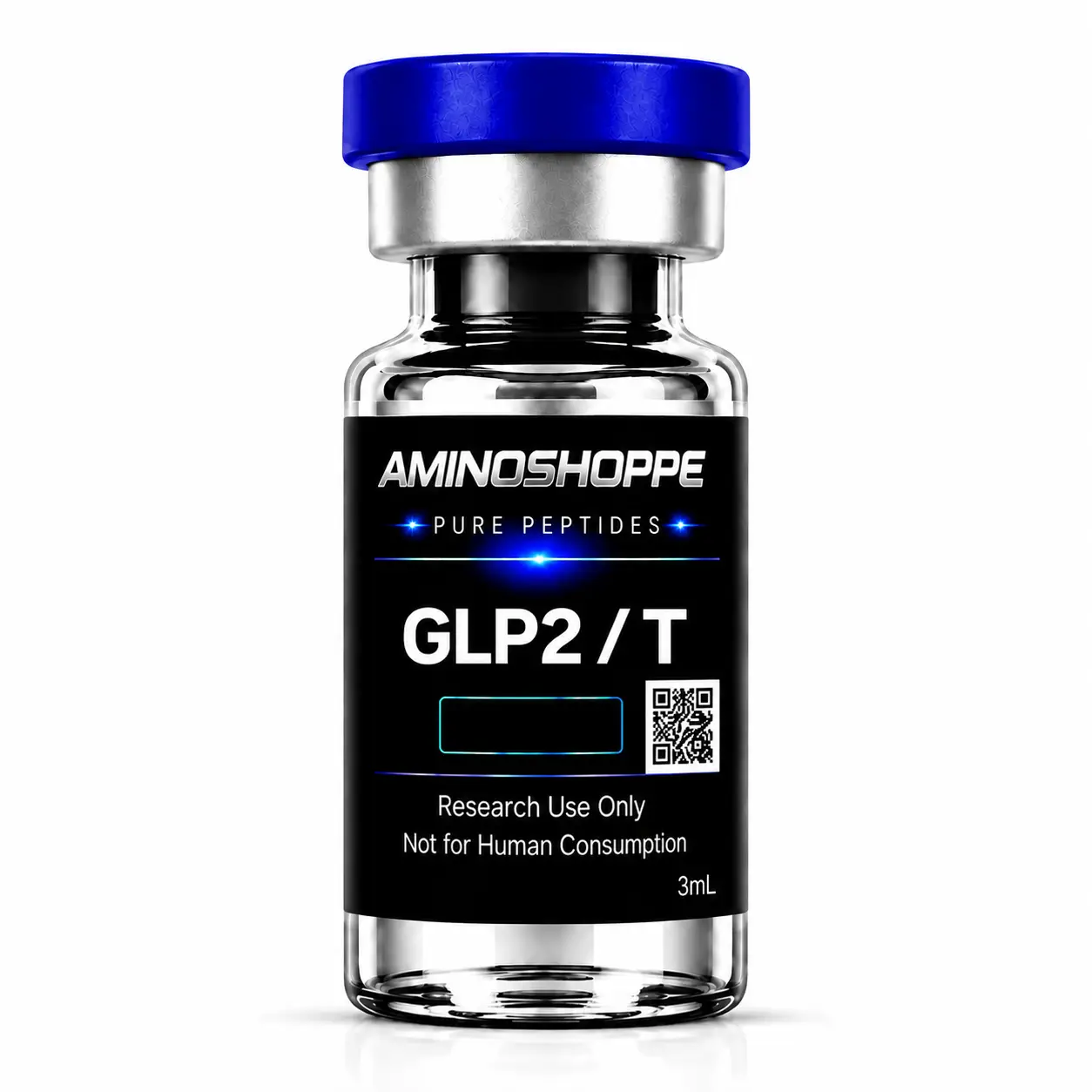
GLP2 / Tirz
Price range: $55.00 through $125.00
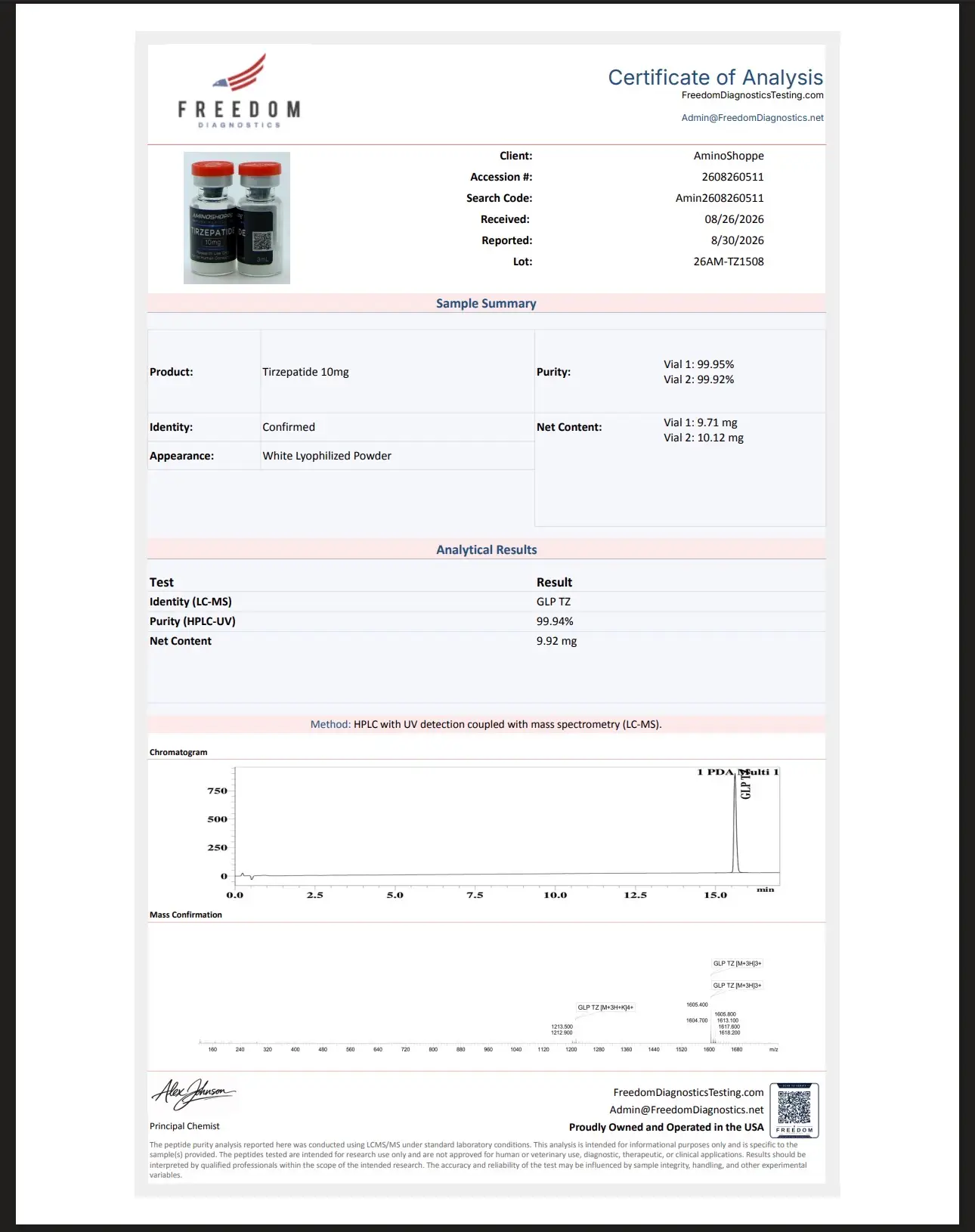
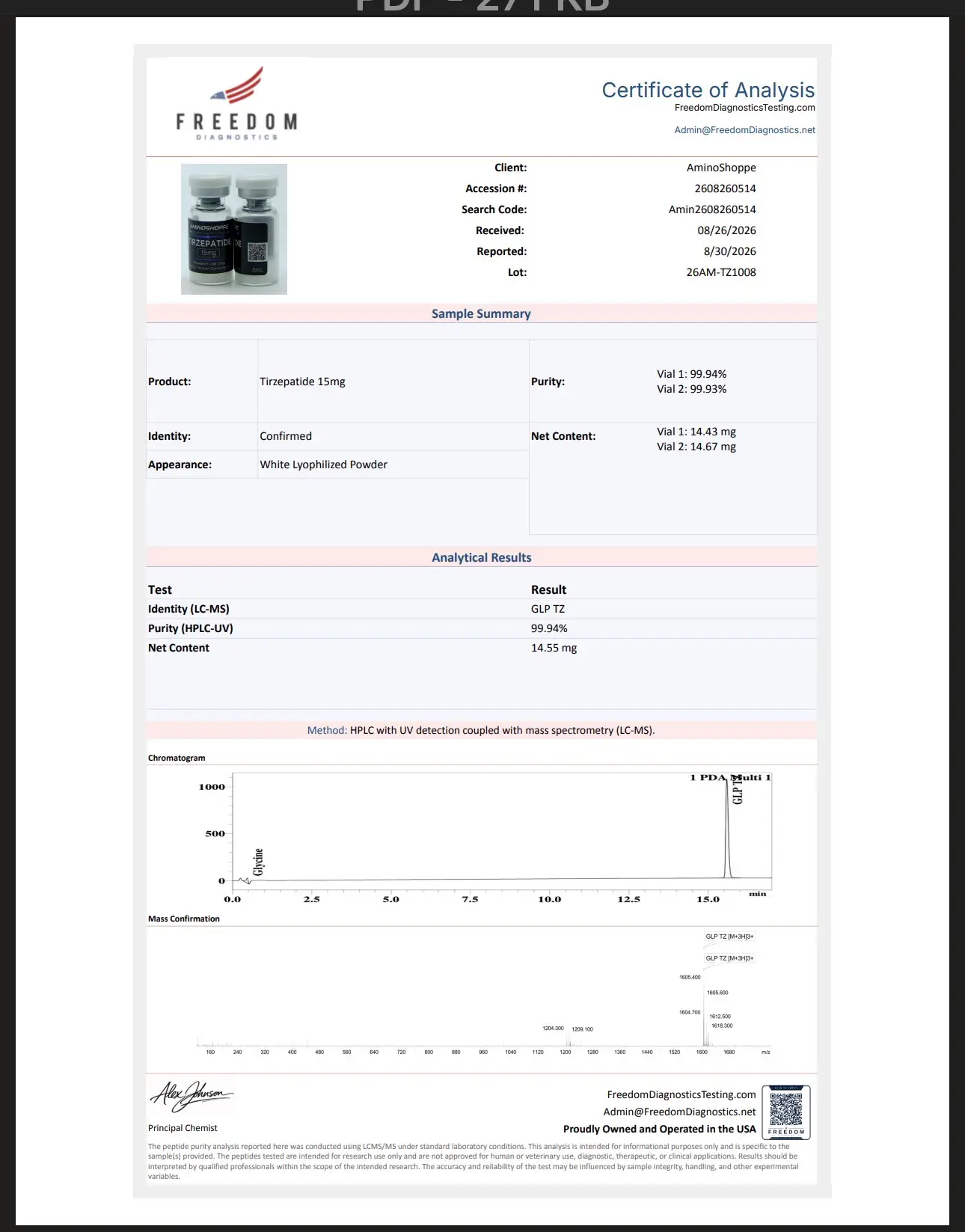
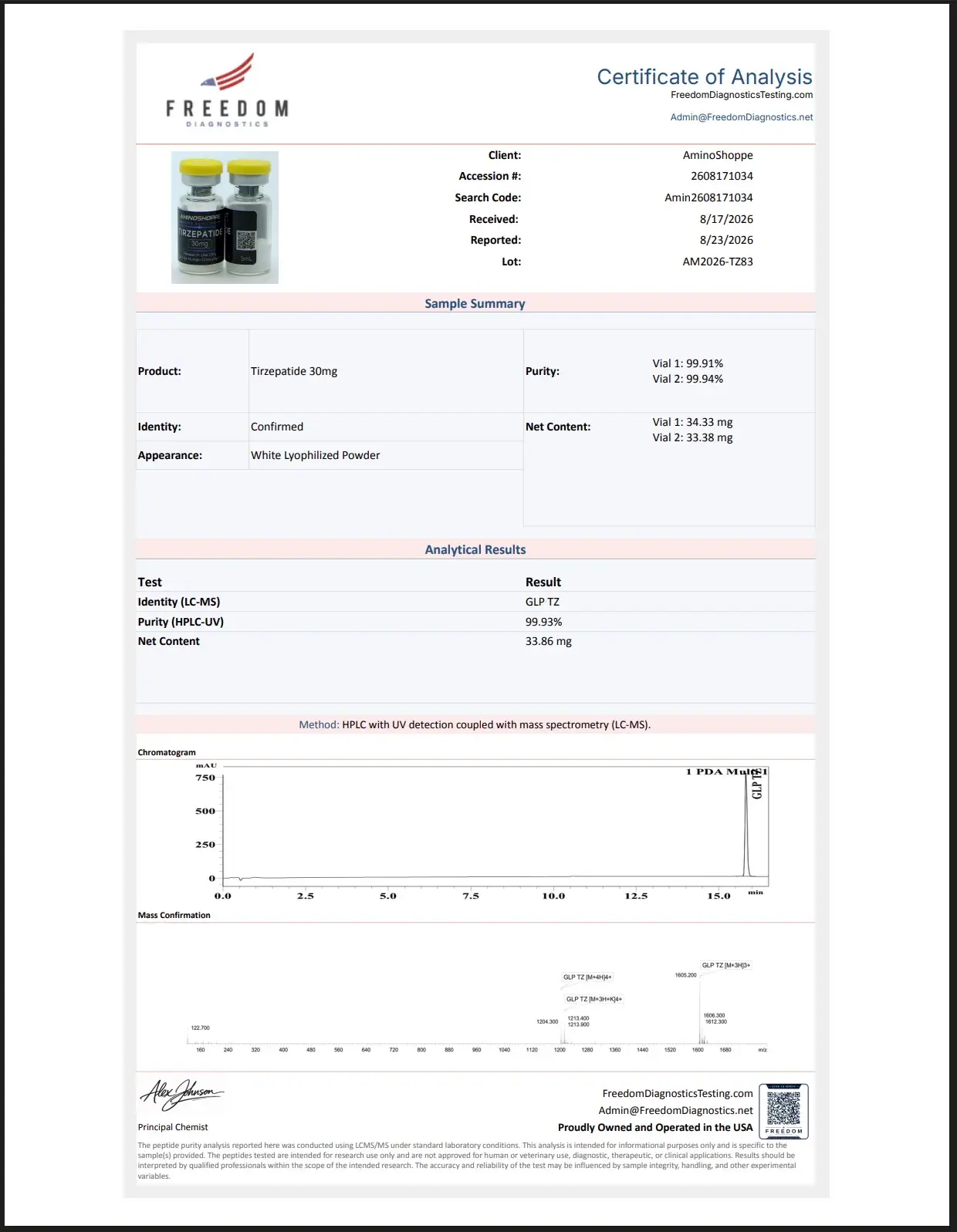
Pure GLP2 / Tirz vials. Includes verifiable US lab tested COAs. Same day shipping via Fedex 2-day express delivery on all orders.
Description
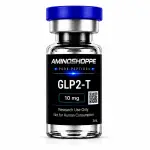 GLP2 / Tirz
Supplied in multiple variations, 5mg, 10mg, 15mg, and 30mg vials of lyophilized powder manufactured to the highest purity standards.
COA LINK: https://aminoshoppe.com/coa-012/
 |
|
.svg)
GLP2/T molecular structure
Bottom: Structure using peptide three-letter code |
|
| Clinical data | |
|---|---|
| Pronunciation | /tɜːrˈzɛpətaɪd/ tur-ZEP-ə-tyde |
| Trade names | Mounjaro, Zepbound |
| Other names | LY3298176 |
| AHFS/Drugs.com | Monograph |
| MedlinePlus | a622044 |
| License data |
|
| Pregnancy category |
|
| Routes of administration |
Subcutaneous |
| Drug class | Antidiabetic, GLP-1 receptor agonist |
| ATC code | |
| Legal status | |
| Legal status | |
| Pharmacokinetic data | |
| Bioavailability | 80% |
| Protein binding | Albumin |
| Metabolism | Proteolytic cleavage, β-oxidation of fatty diacid section and amide hydrolysis |
| Elimination half-life | 5 days |
| Excretion | Urine and feces |
| Identifiers | |
| CAS Number | |
| PubChem CID | |
| IUPHAR/BPS | |
| DrugBank | |
| ChemSpider | |
| UNII | |
| KEGG | |
| ChEBI | |
| ChEMBL | |
| ECHA InfoCard | 100.369.612 |
| Chemical and physical data | |
| Formula | C225H348N48O68 |
| Molar mass | 4813.527 g·mol−1 |

STRUCTURE
The molecule is a 39-amino-acid synthetic peptide engineered to simultaneously activate both GIP and GLP-1 receptors, leveraging the complementary metabolic effects of both incretin pathways. It is an analog of the human GIP hormone with a C20 fatty diacid portion attached, used to optimize the uptake of the compound. The fatty diacid section (eicosanedioic acid) is linked via a glutamic acid and two (2-(2-aminoethoxy)ethoxy)acetic acid units to the side chain of the lysine residue. This arrangement allows for a much longer half-life, extending the time between doses, because of its high affinity to albumin.
Mechanism of action
GLP2 / Tirz has a greater affinity to GIP receptors than to GLP-1 receptors, and this dual agonist behavior has been shown to produce greater reductions of hyperglycemia compared to a selective GLP-1 receptor agonist.
Research stuides have reported that tirz mimics the actions of natural GIP at the GIP receptor. At the GLP-1 receptor, though, GLP2/t shows bias toward cAMP, a messenger associated with regulation of glycogen, sugar, and lipid metabolism) generation rather than β-arrestin recruitment. This combination of preference toward GIP receptor and distinct signaling properties at GLP-1 suggest this biased agonism increases insulin secretion.
Tirz contains two polypeptides, one of which is an analog of GLP-1 and the other an analog of GIP. These analogs bind to and activate their corresponding receptors, essentially mimicking the effects of the naturally occurring incretins. In particular, tirzepatide activation of GLP-1 receptors improves glucose-mediated insulin secretion and decreases secretion of glucagon. Tirzepatide activation of GIP receptors augments insulin sensitivity and secretion and thereby helps reinforce the mechanisms regulating blood glucose levels.
The exact mechanism of action has not been fully elucidated; however, dual agonism at GIP and GLP-1R may contribute to the glycemic control effects of the drug. Studies demonstrated that co-administration of GIP and a GLP-1R agonist more significantly increased insulin response and suppressed glucagon secretion compared to separate administration of either hormone alone. GLP2/T binds to GIP and GLP-1R with high affinity. In vitro, GLP2/T has a comparable GIP receptor binding affinity to native GIP and five times lower GLP-1R affinity than that of native GLP-1. GLP2/T potently activates the GLP-1R signalling pathway to stimulate glucose-dependent insulin secretion through activity at the GIP receptor (GIPR) or the GLP-1R. However, the role of GIPR agonism in the drug’s mechanism of action requires further investigation,
Additional information
| Weight | 10mg, 15mg, 30mg |
|---|
Related products
-

BPC-157
Price range: $49.00 through $85.00 Select options This product has multiple variants. The options may be chosen on the product page -
Sale
Pure 5-Amino-1mq
Price range: $30.00 through $95.00 Select options This product has multiple variants. The options may be chosen on the product page -
Sale

Kisspeptin-10
Original price was: $85.00.$70.00Current price is: $70.00. Add to cart -

GLOW 70
$95.00 Add to cart